
Corporate Event Planning: How to Plan a Great Corporate Event

Author: Julie LeBlanc, Events Manager
Corporate event planning is an art and a science. It’s part logistics, part storytelling, part hospitality. And when it’s done well, it can drive real business outcomes.
77% of marketers say events are their most effective marketin channel. And yet, most corporate events are planned backwards. The venue gets locked in first, the attendee list keeps growing, and the food doesn’t get figured out till the week before (when every good caterer is already booked).
Ready to plan an event people will be talking about for years? This corporate event planning checklist walks you through every stage of planning a corporate event, from setting goals to choosing a caterer to knowing what to do when things go sideways.
Step 1: Define Your Goals Before You Book Anything
One of the most common mistakes in business event planning is starting with the venue instead of the "why."Clear goals drive every decision that follows: the size of the event, the format, the agenda, and the food.
Use the SMART framework to set objectives that are Specific, Measurable, Achievable, Relevant, and Time-bound. Here’s an example of what that might look like:
Generate 40+ qualified leads at a client networking evening
Hit a 90% satisfaction score on post-event surveys
Increase team engagement scores by 10% within 60 days of a company offsite
Different goals produce very different events. A product launch needs press-ready staging and a cocktail reception. Team offsites or social events are more laidback, which means people need spaces to hang out and food that gives people energy. Know your “why” before you spend a dollar.
Step 2: Build an Event Budget (with Real Numbers)
Corporate event planning can quickly rack up a bill you weren’t expecting. While this will always vary depending on the type of event, here's an estimated breakdown of where dollars typically go:
| Category | % of Total Budget |
|---|---|
| Venue | 15–25% |
| Food & Beverage | 25–35% |
| A/V & Technology | 10–15% |
| Marketing & Promotion | 5–10% |
| Speakers & Entertainment | 5–15% |
| Staffing & Logistics | 5–10% |
| Contingency | 15–20% |
One rule worth following: always reserve 15–20% of your budget as a contingency. Vendors change prices. Guest counts shift. The AV company calls with a problem the morning of. A buffer isn't pessimism — it's professionalism.
Step 3: Plan Your Food and Catering Early (Seriously, Go Early)
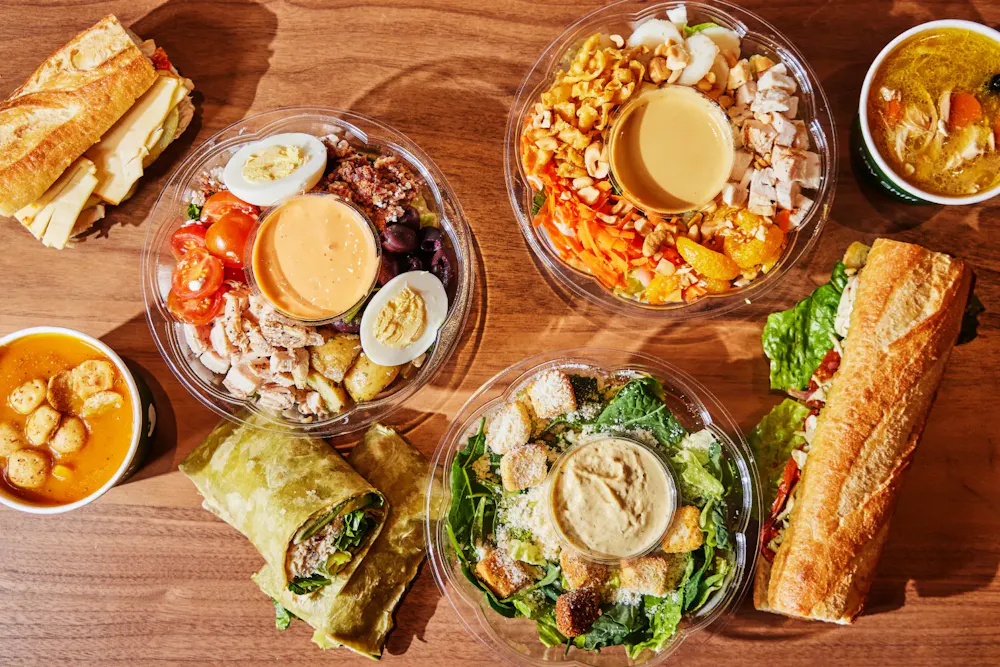
Here's what anyone planning corporate events eventually learns: people forget the slide deck, but they remember the food.
Whether it's a welcome reception with small appetizers or a working lunch that actually gives people energy to power through the afternoon, food is the foundation of how people feel about your event. And in Boston, great caterers fill their calendars fast — especially for spring and fall dates.
Here are a few things to do immediately:
Check for venue exclusivity clauses before signing: Some Boston venues lock you into their in-house caterer, limiting your options before you’ve had a chance to shop around.
Collect dietary needs early: Plan for at least 10–15% of your guest list to have some kind of dietary requirement, like vegan, gluten-free, nut allergy, kosher, or halal. Share the full list with your caterer at least two weeks out, and confirm accommodations in writing.
Think about variety: The most consistent complaint about corporate event catering is the “one-size-fits-all” menu: too few options and not enough choice to satisfy a diverse crowd.
Catering Formats by Event Type
Not sure what type of catering you need? Use this table to decide, based on the type of corporate event you’re hosting.
| Type of Corporate Event | Best Catering Format |
|---|---|
| Galas, award ceremonies, client dinners | Plated dinner |
| All-hands, large conferences | Buffet |
| Networking receptions, product launches | Food stations |
| Pre-event arrivals, cocktail hours | Grazing tables |
| Standing cocktail receptions | Passed appetizers |
| Training days, breakout sessions | Boxed working lunches |
Step 4: Choose Your Venue Carefully
The venue you choose is crucial. It shapes every other decision in company event planning: headcount, logistics, AV possibilities, and the overall vibe. This may seem obvious, but it’s one of my biggest corporate event planning tips: visit in person before committing. We all know photos can be deceiving.
When evaluating venues, ask:
What’s the capacity for seated vs. standing configurations?
Is there in-house catering, or can you bring your own vendor?
What’s included in the rental fee — tables, linens, A/V, staff?
How does vendor load-in and load-out work?
Is the space fully accessible for guests with disabilities?
What are the overtime fees and cancellation policies?
Another thing to consider is location. If your venue is hard to get to, those RSVPs will start dropping — fast. If you’re planning a company event in Boston, here are some great areas to host business events:
| Neighborhood | Best for | Things to Know |
|---|---|---|
| Downtown / Financial District | Financial services events, formal conferences | Dense with hotels; easy commuter rail access from South Station and North Station |
| Seaport / Innovation District | Tech company events, product launches, large conferences | Modern venues, walkable from many hotels, limited street parking (plan for rideshare or MBTA Silver Line) |
| Back Bay | Client dinners, executive meetings, galas | Upscale options near Copley; easier hotel access; parking garages available but pricey |
| Kendall Square (Cambridge) | Innovation/biotech events, academic partnerships | MBTA Red Line direct; strong mid-size venue options; strong co-working event spaces |
| South End | Creative industry events, team offsites, food-focused gatherings | Unique loft and gallery spaces; best approached by MBTA or rideshare |
Read our guide to Boston neighborhoods to get a better sense of the vibe and other things for attendees to do in the area. Another important tip: Read the contract very carefully before you sign. Watch for exclusivity clauses, overtime fees, and cancellation policies. You’ll be glad you did when the unexpected happens.
Step 5: Get a Little Help From Your (Work) Friends
That’s basically just a nice way to say: delegate if you can. Even small to mid-sized corporate event planning needs clear ownership across certain roles. At minimum, you'll want someone responsible for logistics, vendor coordination, marketing and communications, A/V and technology, and day-of registration.
A dedicated coordinator owns the relationship with your caterer, manages the dietary information, confirms event setup, works with A/V teams, and handles any last-minute changes. If that’s not going to be you, name this person early in the process and make them your best friend.
For very large events, consider bringing in outside help to handle corporate event planning and execution while your internal team stays focused on marketing strategy and stakeholder management.
Step 6: Build a Timeline and Stick To It
The easiest way to let a corporate event get out of hand is to start the process late. Trust me, proactivity is worth it when planning a company event. However, I’ve been there — I know how hard it is to create a realistic plan.
Here's a general corporate event planning timeline that keeps things manageable:
| Timeframe | Key actions |
|---|---|
| 12+ months out | Set goals, establish budget, build core team |
| 9–12 months | Secure venue, lock date, reach out to caterers, begin speaker outreach |
| 6–9 months | Confirm speakers, finalize agenda, launch sponsor outreach, decide on hybrid/virtual options |
| 3–6 months | Open registration, kick off marketing, collect dietary restrictions |
| 1–3 months | Finalize F&B orders, confirm all vendors, send logistics to speakers, finalize hybrid setup if applicable |
| 2–4 weeks out | Finalize guest count for caterer (most require a 72-hour guarantee), complete run-of-show doc, run tech rehearsal |
| Day before | Staff briefing, vendor load-in, full A/V check including any live stream or hybrid stream test |
| Day of | Early arrival, confirm catering setup windows, run the show |
| Post-event | Send thank-yous, share recap content, debrief team and vendors, collect attendee feedback |
Of course, the timeline you use will depend a lot on the type of corporate event you’re throwing (you might not need to do all of these things).
Step 7: Plan for When Things Go Sideway
Great day-of execution starts the night before. Build a “run-of-show document,” which is essentially a minute-by-minute breakdown of every moving part of the day. Then share it with every vendor and staff member before event day.
Things worth having in your back pocket:
Contact info for a backup A/V vendor
Contact info for your catering company in case attendance spikes
Event insurance if the stakes are high (generally $150–500 for a standard policy; required by some Boston venues)
A single point of contact for each vendor, reachable by phone on the day of
And when something goes sideways — because something always does — stay calm. A speaker runs long. A food station needs a refill. These things are manageable. What separates a small hiccup from a major disaster is having a contingency plan.
After the Event: Don't Let the Momentum Stop
The 24 hours after your event are some of the most valuable. Send a thank-you note while the experience is still fresh. Share a recap on your social channels. Debrief with your team and vendors to discuss what worked, what didn't, and what you'd do differently next time.
However, one of the most important things you can do post-event is gather feedback. Most event planners measure success with a survey and call it done. Here’s a more complete framework:
| Metric | How to Measure | Benchmark to Aim For |
|---|---|---|
| Attendee satisfaction | Post-event survey (send within 24 hours) | 90%+ satisfied or very satisfied |
| Net Promoter Score (NPS) | Single question: “Would you attend again?” | 50+ for a strong event |
| Attendance rate vs. registration | Check-in data vs. registrant list | 70–80% for corporate events is typical |
| Lead generation or pipeline generated | CRM entries created post-event | Set a specific target before the event |
| Content & social amplification | Posts, impressions, recap views | Varies by event size and channel |
Share your event metrics with leadership shortly after the event while the experience is still fresh and the numbers have context.
Ready to Plan Your Corporate Event?
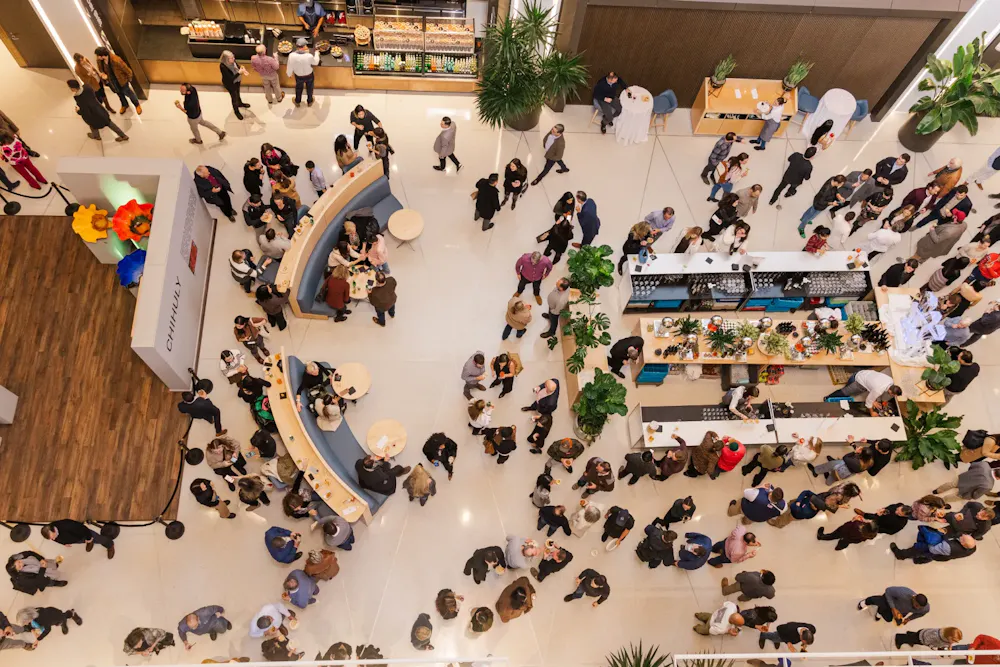
Great corporate events don't happen by accident. They're built with clear goals, the right corporate party planning team, and the thing everyone actually cares about: great food.
If you're planning a corporate event in Boston, book catering services from The Lineup. We offer several innovative culinary concepts, led by Michelin-acclaimed chef John Fraser. With several kiosks under one roof, we have something for every type of event:
Day Shift - Coffee, sandwiches, pastries, and more
Gatto Pazzo - Neapolitan pizza, sandwiches, and salads
Big Grin - Smashburgers, fries, and shakes
Iris Mezze - Build-your-own mezze and pita
We always have rotating pop-ups available for catering as well, so make sure to check out our menus to see what’s cooking at The Lineup.
Ready to place your catering order?
Corporate Event Planning FAQs
What is a corporate event?
A corporate event is any organized gathering hosted by a business — from internal team meetings and company retreats to client-facing product launches, conferences, and galas. The common thread: they're planned with a specific business goal in mind..
How far in advance should I start planning a corporate event?
For events of 100+ people, start planning 9–12 months out. For smaller gatherings, 3–6 months is usually workable — though caterer availability is the first thing to check regardless of size.
How much does corporate event catering cost?
Costs vary widely depending on format, headcount, and event type. A working lunch might run $25–$45 per person; a plated dinner can reach $100–$200+. Budget for food and beverage to represent 25–35% of your total event spend.
What's the difference between a buffet and food stations?
A buffet is a centralized spread where guests serve themselves from a single setup. Food stations are distributed around the room by cuisine or theme, which encourages movement and conversation (great for networking events).
Do I need event insurance for a corporate event in Boston?
It depends. For large scale events (200+ attendees), events serving alcohol, or events at venues that require it, a general liability event insurance policy is a smart investment. Policies typically run $150–500 and cover cancellation, injury liability, and vendor no-shows.